Politics
ADC Moves to Heal Post-Primary Rift Ahead of 2027 Elections
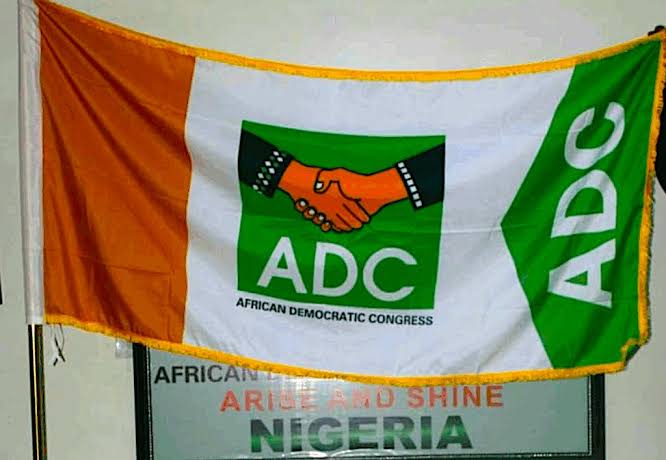
The African Democratic Congress (ADC) has commenced efforts to resolve internal disagreements arising from its recent primary elections with the inauguration of a National Reconciliation and Peace Committee.
The committee, inaugurated in Abuja on Wednesday, is expected to engage aggrieved aspirants, party leaders and supporters in a bid to restore confidence, strengthen unity and position the party for the 2027 general elections.
Speaking at the inauguration, ADC National Chairman, David Mark, acknowledged that while the party’s primaries produced candidates for the upcoming elections, the exercise also left some aspirants and their supporters dissatisfied.
The May primaries, alongside subsequent candidate lists released by the Independent National Electoral Commission, had triggered mixed reactions within the party and created disaffection in some quarters.
Mark said the reconciliation initiative was necessary to prevent the disagreements from weakening the party ahead of the 2027 polls.
According to him, the emergence of successful candidates should come with greater responsibility rather than the exclusion of those who contested against them.
He urged victorious aspirants to reach out to their former opponents, stressing that members who did not secure tickets still had important roles to play in the party.
The national chairman charged the committee to listen to complaints, address legitimate concerns and work towards rebuilding trust among members.
He also directed the establishment of zonal sub-committees to ensure that reconciliation efforts continued across the country.
Mark warned party members against actions that could undermine the ADC, urging them to embrace fairness, discipline and unity.
“There must be no internal sabotage. No politics of revenge. No permanent winners and no permanent losers. We are one political family,” he said.
He maintained that the ADC could not enter the 2027 elections as a divided political organisation, calling on members to respect the outcome of democratic processes and resolve disagreements through dialogue.
The chairman further appealed to aggrieved aspirants to remain committed to the party while encouraging successful candidates to extend what he described as a “hand of fellowship” to those they defeated.
He said the reconciliation process should also reflect the principles of the Nigeria the ADC seeks to build, including respect for diversity, mature management of differences and peaceful resolution of disputes.
Responding on behalf of the committee, its chairman, Senator Tunde Ogbeha, said the members were aware of the challenges confronting the party and were prepared to engage directly with those affected by the outcome of the primaries.
Ogbeha said the party’s recent political processes had created grievances in several states but expressed confidence that the issues could be resolved through sincere dialogue.
He appealed to party members to place the interests of the country above those of the party and individual ambitions.
“We are going to be honest. We are going to be transparent and, as much as possible, do the best we can to reconcile our party,” Ogbeha said.
He assured the ADC leadership that the committee would carry out its responsibilities with fairness and transparency, while prioritising the interests of both Nigeria and the party.
Ogbeha also urged unsuccessful aspirants and their supporters to remain patient and committed to the ADC, noting that losing a ticket in the current electoral cycle did not foreclose future opportunities to contest elections.
The reconciliation committee is chaired by Ogbeha, with Senator Oserheimen Osunbor serving as deputy chairman.
Other members are Dr Ahmad Ajuji, Barrister Musa Elayo, Senator Andrew Uchendu, Dr Bon Unachukwu, Mr Kunle Ige, Hon. Hajia Rabi Sule and Hon. Abubakar Kanike.
Peter Oyewale, Esq., is the committee’s secretary, while Isaac Dare Oketade serves as deputy secretary.
The committee will work with six zonal legal advisers as it coordinates reconciliation activities and engagements across the country’s six geopolitical zones.
The committee, inaugurated in Abuja on Wednesday, is expected to engage aggrieved aspirants, party leaders and supporters in a bid to restore confidence, strengthen unity and position the party for the 2027 general elections.
Speaking at the inauguration, ADC National Chairman, David Mark, acknowledged that while the party’s primaries produced candidates for the upcoming elections, the exercise also left some aspirants and their supporters dissatisfied.
The May primaries, alongside subsequent candidate lists released by the Independent National Electoral Commission, had triggered mixed reactions within the party and created disaffection in some quarters.
Mark said the reconciliation initiative was necessary to prevent the disagreements from weakening the party ahead of the 2027 polls.
According to him, the emergence of successful candidates should come with greater responsibility rather than the exclusion of those who contested against them.
He urged victorious aspirants to reach out to their former opponents, stressing that members who did not secure tickets still had important roles to play in the party.
The national chairman charged the committee to listen to complaints, address legitimate concerns and work towards rebuilding trust among members.
He also directed the establishment of zonal sub-committees to ensure that reconciliation efforts continued across the country.
Mark warned party members against actions that could undermine the ADC, urging them to embrace fairness, discipline and unity.
“There must be no internal sabotage. No politics of revenge. No permanent winners and no permanent losers. We are one political family,” he said.
He maintained that the ADC could not enter the 2027 elections as a divided political organisation, calling on members to respect the outcome of democratic processes and resolve disagreements through dialogue.
The chairman further appealed to aggrieved aspirants to remain committed to the party while encouraging successful candidates to extend what he described as a “hand of fellowship” to those they defeated.
He said the reconciliation process should also reflect the principles of the Nigeria the ADC seeks to build, including respect for diversity, mature management of differences and peaceful resolution of disputes.
Responding on behalf of the committee, its chairman, Senator Tunde Ogbeha, said the members were aware of the challenges confronting the party and were prepared to engage directly with those affected by the outcome of the primaries.
Ogbeha said the party’s recent political processes had created grievances in several states but expressed confidence that the issues could be resolved through sincere dialogue.
He appealed to party members to place the interests of the country above those of the party and individual ambitions.
“We are going to be honest. We are going to be transparent and, as much as possible, do the best we can to reconcile our party,” Ogbeha said.
He assured the ADC leadership that the committee would carry out its responsibilities with fairness and transparency, while prioritising the interests of both Nigeria and the party.
Ogbeha also urged unsuccessful aspirants and their supporters to remain patient and committed to the ADC, noting that losing a ticket in the current electoral cycle did not foreclose future opportunities to contest elections.
The reconciliation committee is chaired by Ogbeha, with Senator Oserheimen Osunbor serving as deputy chairman.
Other members are Dr Ahmad Ajuji, Barrister Musa Elayo, Senator Andrew Uchendu, Dr Bon Unachukwu, Mr Kunle Ige, Hon. Hajia Rabi Sule and Hon. Abubakar Kanike.
Peter Oyewale, Esq., is the committee’s secretary, while Isaac Dare Oketade serves as deputy secretary.
The committee will work with six zonal legal advisers as it coordinates reconciliation activities and engagements across the country’s six geopolitical zones.
Reporter: Helen James Gala

Sponsor Ad
Your advertisement could be here. Reach thousands of daily visitors.
.jpeg)
.jpeg)
.jpeg)
.jpeg)